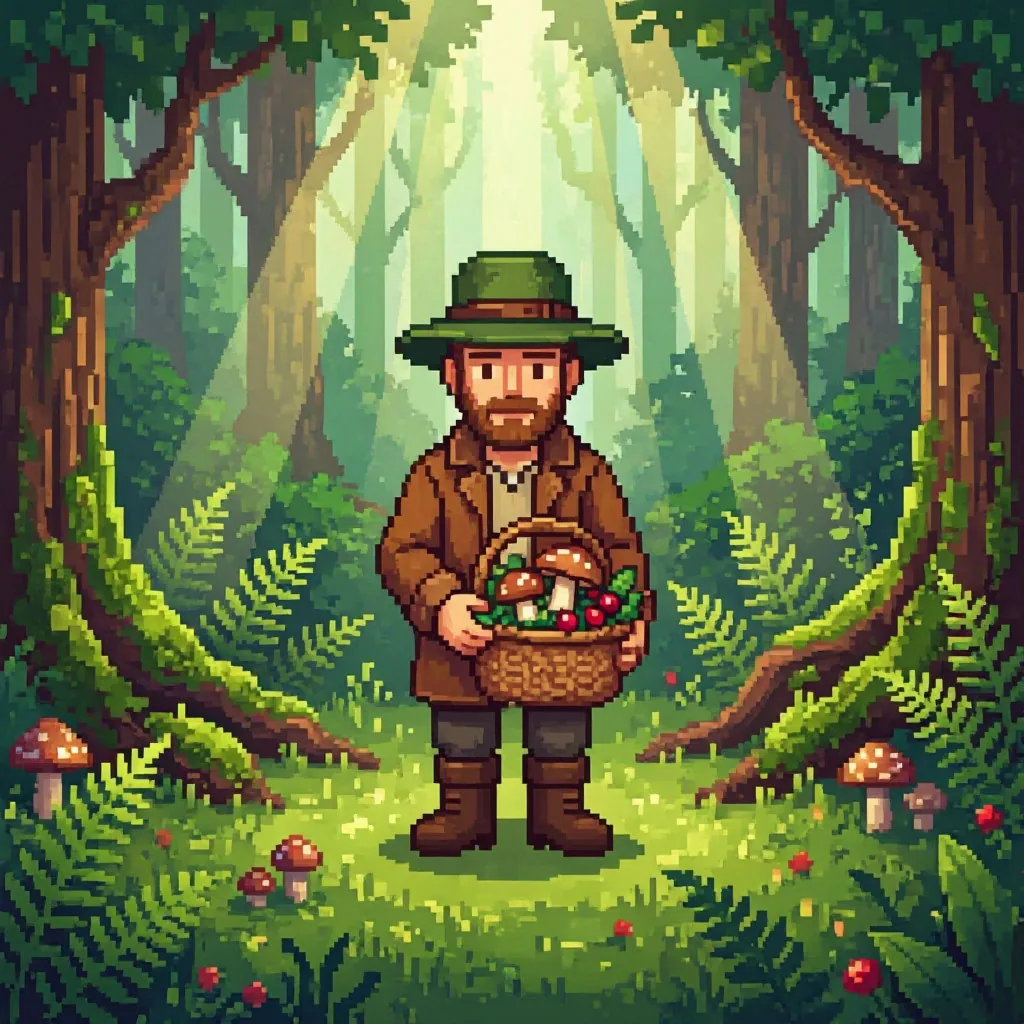

Master the Foraging skill in Stardew Valley with this comprehensive profession guide. Learn how the Botanist upgrade guarantees iridium-quality items, compare Gatherer and Forester paths, and discover the best strategies for passive income, hardwood farming, and relationship building
Contents
Full Description
The Foraging Skill Explained
Foraging in Stardew Valley is more than just picking up items from the ground. It is a highly scalable skill that provides essential early-game resources, late-game passive income, and valuable gifts for villagers. Reaching Level 5 unlocks a critical choice between the Forester and Gatherer professions, shaping your long-term economic strategy.
Level 5 Choices: Forester vs. Gatherer
- Forester: Increases wood dropped from trees, stumps, and logs by 25%. This is a solid early-game choice for players who need abundant wood for farm expansions, building upgrades, and crafting.
- Gatherer: Grants a 20% chance to harvest double the amount of foraged items. This is widely considered the superior long-term choice, as it effectively doubles the yield of high-value items like Salmonberries, Blackberries, and Mushrooms.
Level 10 Upgrades: Maximizing Your Path
Reaching Level 10 allows you to specialize further based on your Level 5 choice.
The Gatherer Path
- Botanist: Ensures that all foraged items are always of the highest quality (Iridium). This is the definitive meta choice for Foraging. Combined with the Gatherer profession, you can occasionally find double Iridium-quality items, which sell for a premium and make excellent gifts.
- Tracker: Reveals the location of all forageable items on the map with a green circle. While helpful for completionists trying to find every item for the Community Center bundles, it offers no direct financial benefit.
The Forester Path
- Lumberjack: Gives all trees a chance to drop Hardwood when chopped. This is incredibly valuable for players who need a consistent supply of Hardwood for late-game buildings like Slime Hutches or Mill upgrades, eliminating the need to farm the Secret Woods or Quarry.
- Tapper: Increases the sell price of all syrups (Maple, Oak, Pine) by 25%. This is a niche but profitable choice for players who have established a large-scale tapping operation across their farm and the Cindersap Forest.
Synergies and Advanced Strategy
The true power of the Foraging skill is unlocked when combined with other game mechanics.
- Tapper Automation: Placing Tappers on trees generates passive income. With the Tapper profession, this becomes a highly lucrative late-game activity.
- Mayonnaise and Preserves: Foraged items like Dinosaur Eggs or high-quality fruits can be processed in Mayonnaise Machines or Preserves Jars. The Botanist profession ensures these base items start at Iridium quality, maximizing the final artisan good value.
- Gifting Economy: Villagers universally love Iridium-quality foraged items like Sweet Gem Berries, Truffles, and morel mushrooms. The Botanist profession makes building relationships effortless without spending gold at Pierre's store.
| Profession Path | Level 5 Bonus | Level 10 Upgrade | Best For |
|---|---|---|---|
| Gatherer -> Botanist | 20% chance for double forage | All foraged items are Iridium quality | Maximum profit and gifting efficiency |
| Gatherer -> Tracker | 20% chance for double forage | Forage locations revealed on map | Community Center completionists |
| Forester -> Lumberjack | +25% wood from trees | Trees can drop Hardwood | Late-game building and crafting |
| Forester -> Tapper | +25% wood from trees | Syrups sell for 25% more | Large-scale tapper automation |
Is the Foraging Path Worth It?
For players focused on combat or mining, the Foraging skill might seem secondary. However, the Botanist profession provides unmatched value. The ability to consistently gather Iridium-quality items for free transforms Foraging from a minor early-game activity into a highly profitable, low-effort pillar of your farm's economy.

Comments 0
No comments yet — be the first.
Log in or sign up to leave a comment.