












Full description for Viking Rise with this complete beginner's guide. Discover the main gameplay mechanics, city development priorities, resource management, research, commanders, troop types, exploration, alliances and PvP. Follow a step-by-step progression plan and understand how the different systems work together.
Contents
- 1. Main Gameplay Mechanics
- 2. Stage One: Complete the Tutorial and Build Your Foundation
- 3. Stage Two: Strengthen Your Economy and Workers
- 4. Stage Three: Develop the Academy and Research
- 5. Stage Four: Train Troops and Choose Your Main Specialization
- 6. Stage Five: Recruit and Develop Commanders
- 7. Stage Six: Explore Midgard and Develop Your Territory
- 8. Stage Seven: Develop Equipment, Mounts and Other Systems
- 9. Stage Eight: Join an Active Tribe
- 10. Stage Nine: Prepare for PvP and Seasonal Events
- 11. Naval Gameplay and the Drakkar
- 12. Daily Routine for Consistent Progress
- 13. Common Beginner Mistakes
- 14. Long-Term Development Plan
Viking Rise: Complete Game Guide
Viking Rise is a multiplayer strategy game set in the world of Norse mythology. You take the role of a Viking leader and develop a settlement in Midgard. Your progress depends on several connected activities: building and upgrading your city, gathering resources, researching technologies, recruiting commanders, training troops, exploring the map and cooperating with other players.
The game combines city management with battles on a shared world map. You can expand your territory, fight neutral enemies, gather materials, take part in group attacks and compete against other players. Later, seasonal activities introduce larger conflicts that require coordination with your tribe.
This guide explains the main gameplay systems and presents a step-by-step development plan for beginners.
1. Main Gameplay Mechanics
City Development
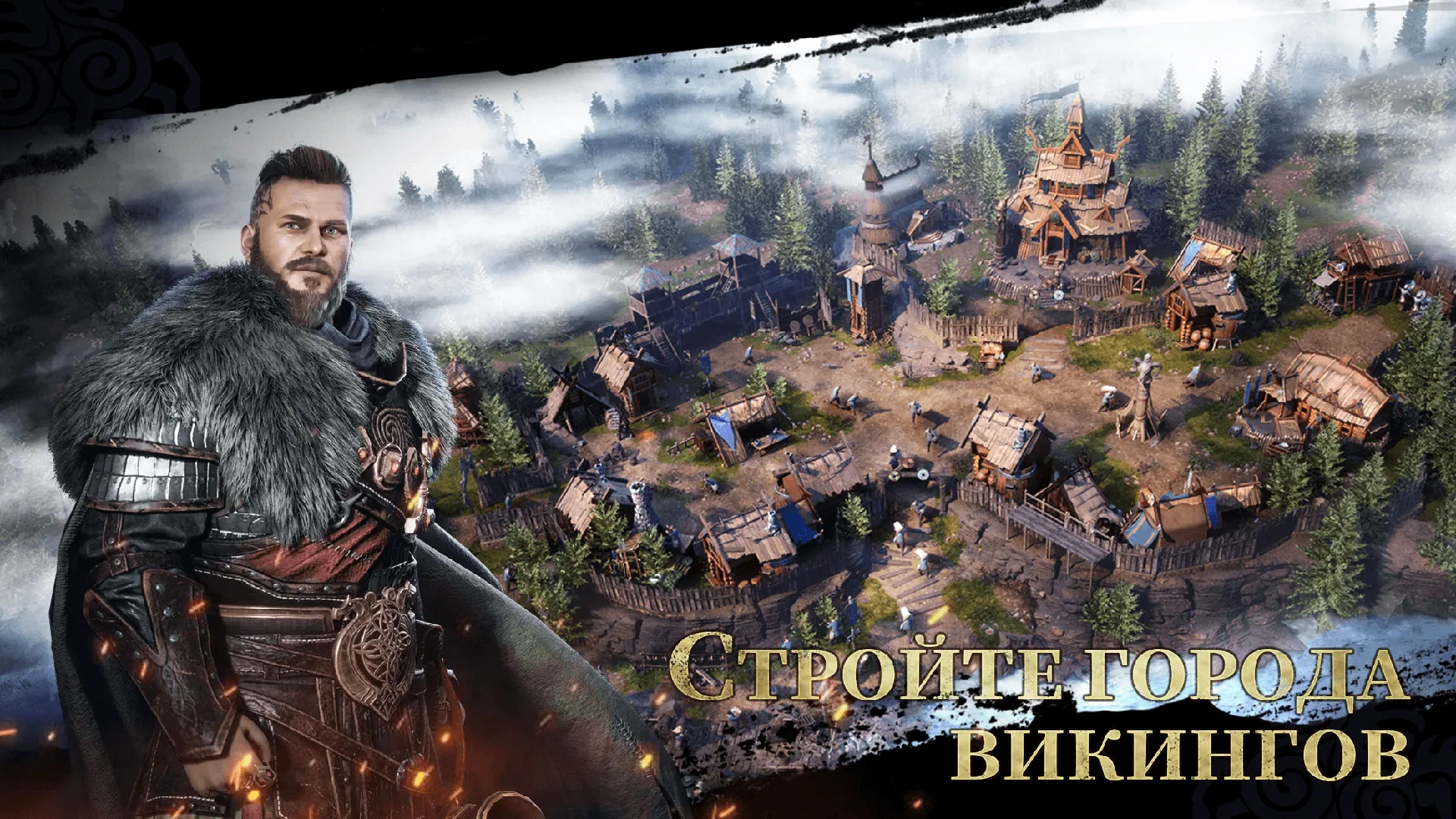
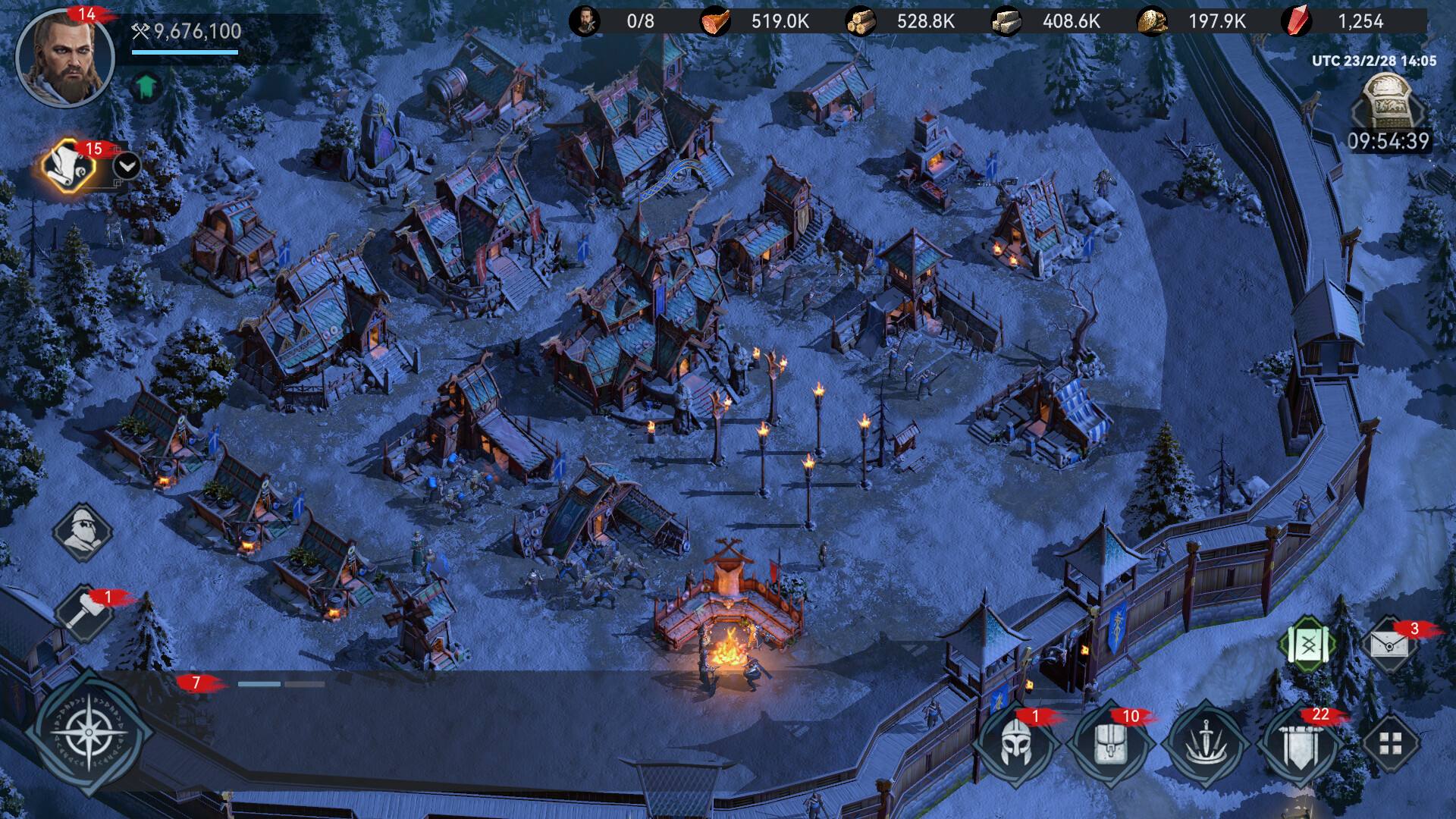
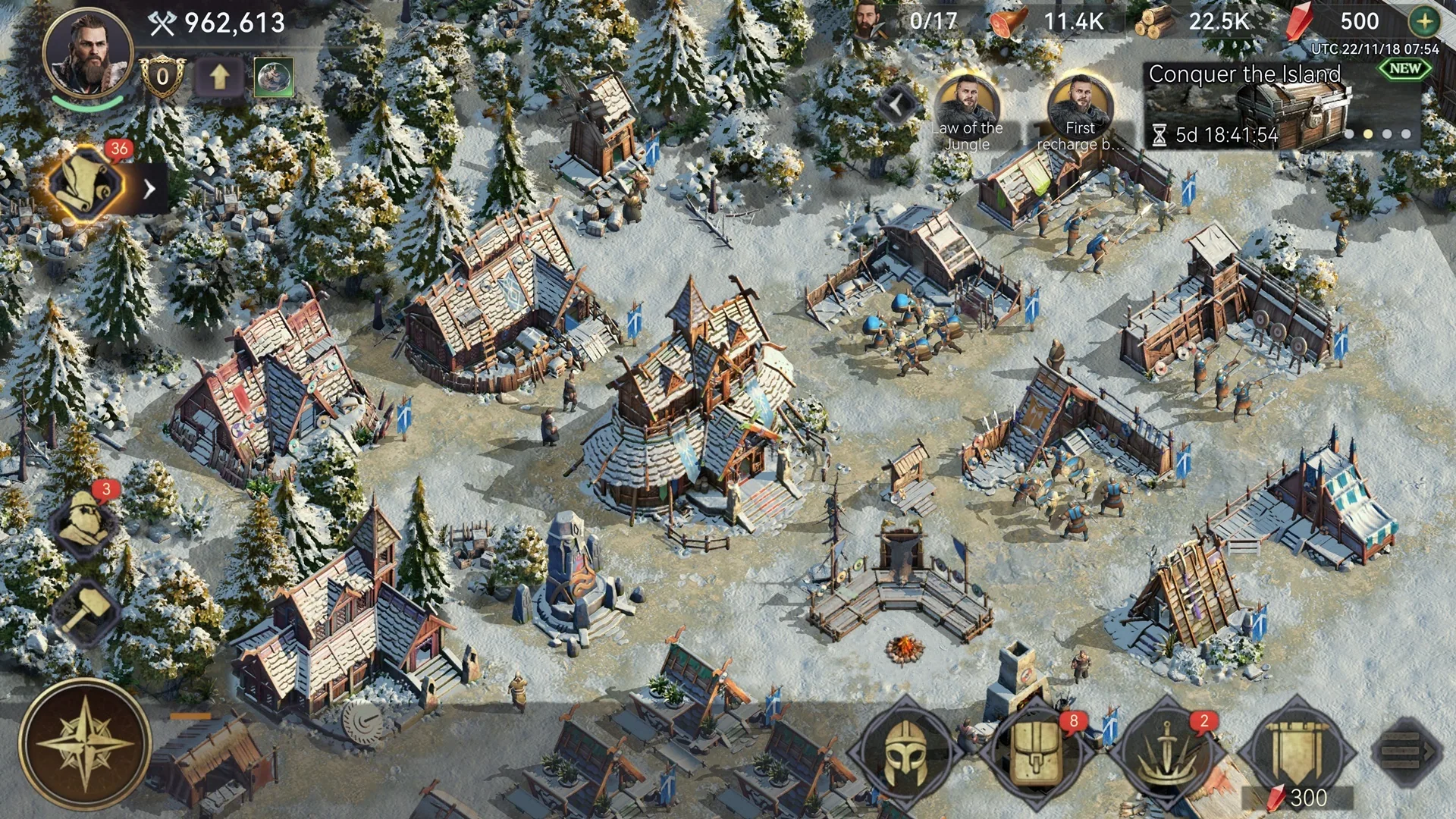
Your city is the foundation of your account. Buildings provide resources, unlock new systems and improve your economic and military capabilities.
The Chief Hall is the central building. Its level determines the development of your settlement and is connected to the requirements for upgrading other buildings. Before starting an upgrade, check which buildings and resources are required.
Important city systems include:
- Chief Hall: the main progression building.
- Academy: provides research that improves different parts of your account.
- Barracks: train troops.
- Hospitals: accommodate wounded units after battles.
- Warehouse: protects part of your stored resources.
- Tribe Hall: connects your city with tribe assistance and activities.
- Forge: provides access to equipment development.
- Worker-related buildings: support the development and assignment of workers.
A good development plan is more effective than upgrading buildings randomly. Focus on the requirements for your next important upgrade and keep construction moving whenever possible.
Resources and Economy
Resources are required for construction, research, troop training and other progression systems.
The main resources include food, wood, stone and gold. They can be obtained through city production, gathering on the world map, quests, events and other rewards.
The economy supports every other part of the game. If you spend resources without planning, you may not have enough materials for an important building or research upgrade.
Try to: - Collect resources produced by your city. - Keep gathering marches active. - Spend resources according to your current development priorities. - Use resource items when you are ready to begin an upgrade. - Avoid leaving available production and gathering opportunities unused.
Workers
Workers are another part of city development. They contribute to construction and research efficiency through their available assignments and bonuses.
Developing your workers can reduce the time required for important activities. Check the worker systems available in your city and improve them as your account progresses.
Commanders and Troops
Commanders lead your marches and provide skills and bonuses. Troops determine the composition and combat role of each army.
The main troop categories are: - Infantry - Pikemen - Archers - Carriers
Each troop type has its own characteristics. Commanders also have different specializations, so the selected commander should match the troops and purpose of the march.
World Map and Exploration
The world map is where you gather resources, explore territories, fight neutral enemies and interact with other players.
Scouting helps you understand the surrounding area before committing troops to a march. Exploration also connects with chapter progression and the discovery of new locations and activities.
Tribe and Multiplayer
Viking Rise is built around cooperation as well as individual development. Joining an active tribe gives access to assistance, shared activities, group attacks and coordinated defense.
Tribe participation becomes increasingly important as you approach larger PvP and seasonal conflicts.
2. Stage One: Complete the Tutorial and Build Your Foundation
At the beginning, follow the tutorial and complete the available chapter objectives. These tasks introduce the basic systems and provide useful rewards.
Your first priorities should be: - Upgrade the Chief Hall according to its requirements. - Improve the buildings needed for the next Chief Hall level. - Establish a steady resource supply. - Start training troops. - Complete chapter and daily tasks. - Collect available rewards. - Learn how construction, research and troop training queues work.
Do not spend all your resources on buildings that are not needed for your immediate progress. The next Chief Hall upgrade should be one of the main points in your development plan.
3. Stage Two: Strengthen Your Economy and Workers
Once the basic city is established, focus on resource production and development efficiency.
Your economy determines how quickly you can build, research and train troops. Gathering is just as important as city production because it provides additional materials from the world map.
At this stage: - Improve resource production where it supports your current needs. - Send available marches to gather. - Develop workers and use their bonuses. - Improve storage and protect resources where possible. - Plan major upgrades before spending your reserves.
A stable economy makes every later stage easier. Avoid expanding your army faster than your city can support.
4. Stage Three: Develop the Academy and Research
The Academy provides permanent improvements through research. Its technologies can strengthen economic development and military capabilities.
Research should support your current priorities. Early development usually benefits from improvements to construction, research speed and resource gathering. As your army grows, military technologies become increasingly important.
Pay attention to: - Economic research. - Construction and research efficiency. - Gathering improvements. - Troop development. - Military bonuses relevant to your main troop type.
Do not ignore research while upgrading buildings. Research takes time, so keeping it active helps your account progress in parallel with city development.
5. Stage Four: Train Troops and Choose Your Main Specialization
As your city develops, you will need a stronger army for exploration, PvE and PvP.
The main troop types have different roles:
- Infantry: a troop category with its own combat specialization.
- Pikemen: have dedicated attributes and equipment options.
- Archers: form the ranged troop category.
- Carriers: are useful for marches focused on transporting resources.
Choose a main troop specialization and develop it consistently. This makes it easier to select commanders, research priorities and equipment.
You do not need to ignore other troop types, but spreading all your resources equally across every category can slow down the development of your main army.
Training and Healing
Training increases the number of available troops. Hospitals provide space for wounded units after battles.
Hospital capacity is important. Before taking part in risky fights, consider how many wounded troops your city can accommodate. Healing and rebuilding an army require resources, so include recovery in your military planning.
6. Stage Five: Recruit and Develop Commanders
Commanders are central to march formation and combat performance. Their skills, specializations and development influence the effectiveness of your troops.
When choosing commanders, consider: - Their troop specialization. - Their combat or gathering role. - Their skills and skill levels. - Their development level. - How well their abilities fit the selected march.
Focus on a manageable group of commanders instead of investing in every character at the same time. Concentrating resources helps you develop a reliable main march sooner.
When forming a march, consider the roles of both commanders. A useful combination should support the troop type and purpose of the army.
7. Stage Six: Explore Midgard and Develop Your Territory
Exploration is an important part of progression. Chapter objectives guide you through the game and introduce new locations and activities.
The world map provides opportunities to: - Gather resources. - Scout surrounding areas. - Fight neutral enemies. - Discover locations. - Expand your influence. - Interact with other players.
Some areas and activities become available as you progress through the chapters. Follow the chapter objectives instead of exploring without a clear goal.
Villages and Territory
Territorial development expands the strategic side of the game. Villages and other locations can provide access to additional activities and benefits.
Pay attention to the requirements for claiming or developing new locations. The order of progression and the available objectives can affect what you can access next.
Gathering and Neutral Enemies
Send idle marches to gather resources. This helps maintain the supply needed for construction, research and troop training.
Neutral enemies provide additional challenges and rewards. Before attacking, check the strength of the target and the condition of your army. Avoid unnecessary losses by sending an appropriate march.
8. Stage Seven: Develop Equipment, Mounts and Other Systems
As your account grows, equipment and additional progression systems become more important.
Equipment
Equipment provides bonuses to commanders and troops. Items are divided into slots and may be specialized for a particular troop type or provide universal bonuses.
When choosing equipment: - Match specialized bonuses to your main troop type. - Compare attack, defense and health. - Consider additional attributes such as March Speed and Troop Load. - Use universal equipment when specialized items are unavailable. - Check the actual item bonuses instead of choosing by appearance alone.
Mounts
Mounts and their skills provide another layer of development. Their bonuses can support different troop specializations and combat roles.
Develop mounts according to your main army and available resources. Before investing heavily, check which skills and bonuses match your preferred troop type.
Dragons and Hunting Activities
Dragon-related progression and hunting activities provide additional objectives beyond ordinary city development. These systems introduce encounters, rewards and further bonuses.
Follow the unlock requirements shown in the game and prepare your army before challenging stronger enemies.
9. Stage Eight: Join an Active Tribe
A tribe is one of the most important parts of multiplayer progression.
An active tribe can provide: - Assistance with construction and research. - Access to tribe activities. - Shared rewards. - Tribe technology. - Coordinated rallies. - Group defense and attacks. - Support during seasonal conflicts.
Choose a tribe where members participate regularly and communicate about common objectives.
Rallies
A rally is a coordinated group attack against a target. Players contribute troops and commanders to a shared operation.
Before joining a rally: - Check the target and rally requirements. - Follow the instructions of the rally leader. - Use an appropriate troop composition. - Make sure your army is ready for the activity.
Cooperation is important because individual strength alone does not guarantee success in group battles.
10. Stage Nine: Prepare for PvP and Seasonal Events
PvP introduces battles against other players. These encounters require more preparation than ordinary gathering or PvE activities.
Before attacking or defending, consider: - Troop quantity and tier. - Commander skills and specializations. - Research bonuses. - Equipment. - Hospital capacity. - Available resources for recovery. - Tribe coordination.
Do not judge an opponent only by their city level or displayed power. Their commanders, troop composition and development can influence the outcome.
Seasonal conflicts introduce larger objectives and require coordination between players and tribes. Read the rules and objectives of each event before committing your army.
11. Naval Gameplay and the Drakkar
The Drakkar is part of the game's exploration and warfare systems. Naval movement creates additional strategic opportunities, allowing players to travel across water and approach certain objectives from different directions.
Use the sea as part of your overall strategy when the map and activity allow it. Consider the position of your allies, the target and possible enemy movements before committing to a naval operation.
12. Daily Routine for Consistent Progress
Regular activity helps keep your development moving.
A useful daily routine includes: - Collect city resources. - Start new building upgrades. - Keep research active. - Train troops. - Heal wounded units. - Send unused marches to gather. - Complete chapter and daily tasks. - Check available events. - Participate in tribe activities. - Review the world map. - Collect rewards from completed activities.
Keeping construction, research, training and gathering active helps prevent wasted time.
13. Common Beginner Mistakes
Avoid these mistakes when developing your account:
- Ignoring the Chief Hall: its level is central to city progression.
- Upgrading buildings without a plan: unnecessary upgrades can delay important requirements.
- Neglecting research: technologies provide improvements across multiple systems.
- Ignoring the economy: army development requires a steady supply of resources.
- Training troops without considering hospitals: recovery capacity matters after battles.
- Developing too many commanders at once: spreading resources too widely slows down your main march.
- Leaving marches idle: unused marches could be gathering resources or completing other activities.
- Ignoring the tribe: solo development misses important cooperation and group opportunities.
- Attacking without scouting: poor information can lead to unnecessary losses.
14. Long-Term Development Plan
A strong Viking Rise account develops several systems together. The city provides the foundation, the economy supports upgrades, research improves efficiency, commanders lead the army and troops provide military strength.
A practical long-term plan is to: - Keep the Chief Hall and its required buildings progressing. - Maintain resource production and gathering. - Develop workers and research. - Choose a main troop specialization. - Invest in a focused group of commanders. - Train and heal troops consistently. - Improve equipment and mounts. - Explore new areas as chapters unlock them. - Join an active tribe. - Prepare for rallies, PvP and seasonal events.
Viking Rise rewards consistent development and strategic planning. Instead of trying to improve every system at once, focus on the next important milestone. A developed city, a reliable economy, a specialized army and an active tribe provide a strong foundation for long-term progress.
Screenshots 3

Comments 4
Спасибо за статью
Очень интересно
Спасибо за отзыв
Очень полезный гайд спасибо
Log in or sign up to leave a comment.